Saturday, November 6, 2010

Missouri Comes To Yunnan


This months service project came from the great state of Missouri. Seven adults from the Kansas City area traveled all the way to China to serve the people of rural Yunnan and provide one village with a clean drinking water system. The participants of this service project were quite different than last months. We went from 20 Shanghai high school students digging on the side of a mountain to 7 American adults digging just as hard. It was truly amazing to see my fellow midwesterners scaling down the mountainside to dig trenches and lay pipe.

The Missouri team with our government partners

Our view from where we were digging, just beautiful


While we were in the village, we took a break from digging one afternoon to visit an orange plantation and tea factory in the nearby town. The owner of the orange plantation was extremely gracious, he took us out amongst the trees and told us to eat until we were full, which we did. All of us took home quite a few oranges and had sticky hands from all the peeling we did in the field.

After the orange plantation, we headed to the tea factory where we were served pu’erh tea and were given a tour of the factory where they press and ship out tea to all over the world, including America. I was amazed to see tea leaves that were decades old. Tea is similar to wine in the idea that with age it gets better. We were taken through the process of when the tea leaves are picked from the plant, laid out to dry, pressed into bricks or discs, roasted or fermented, packaged and shipped out. China sure does tea differently than America and it was very interesting to see the process in its entirety.

The group gave the owner of the orange plantation a Kansas City baseball hat

Another afternoon in the village we visited a local school. The school had about 30 students, grades 1-3. The school had students from a few different neighboring villages and we spotted a few children we knew from the village we were digging in. We stood in front of the classroom and told them our names and where we were from. I practiced my chinese and asked the students for their names and ages. I was just as timid as they were when spotlighted to use a new and different language. We then sang the song “Head, Shoulders, Knees and Toes” which got a real big laugh out of them.

All of the students and their teachers

Inside the classroom

New coloring books, crayons and a jumprope Happy faces

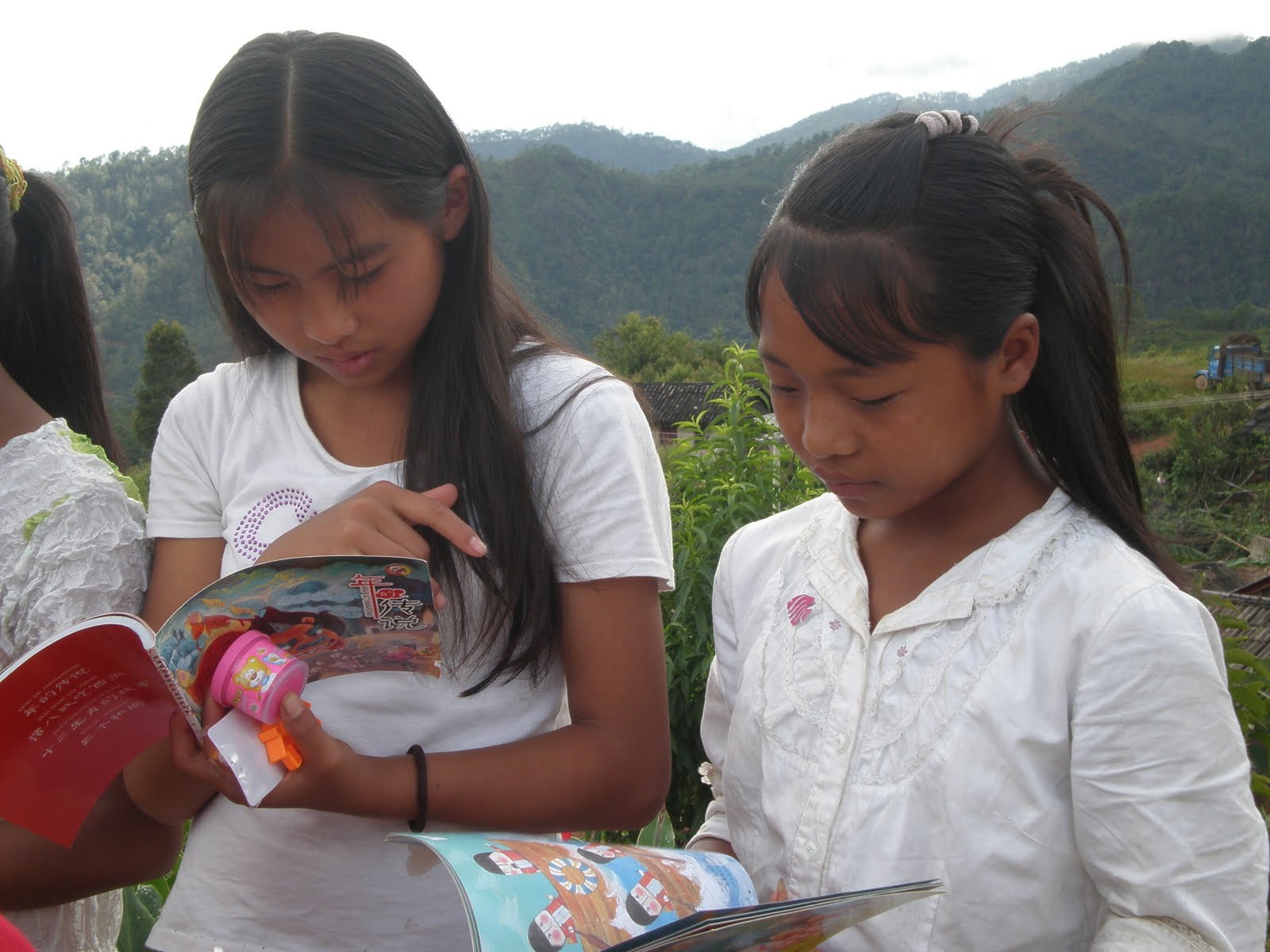
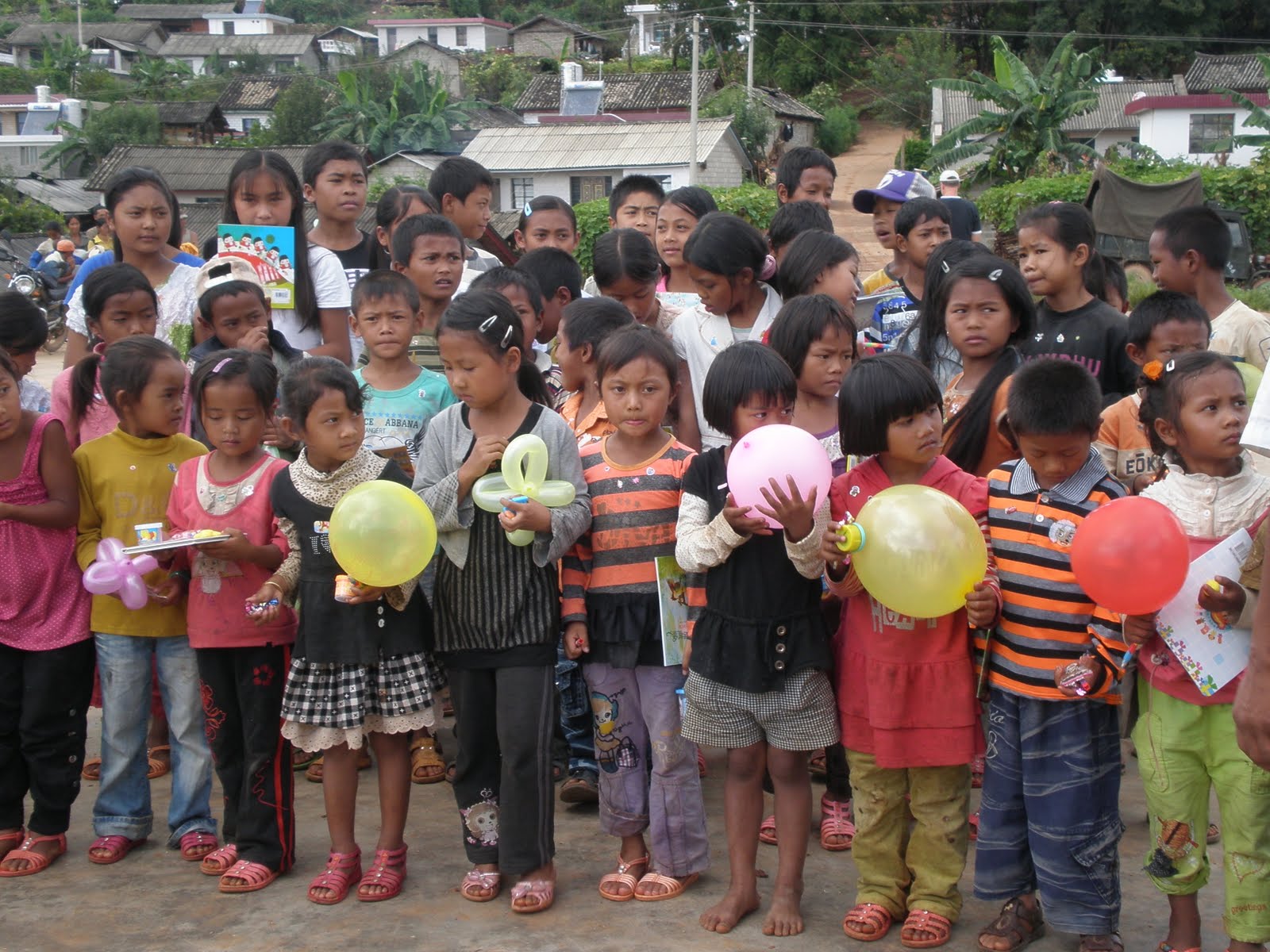
The group from Missouri had brought lots of great toys to give to the children including coloring books, crayons, jump ropes, bubbles and stickers. All of the children had huge grins on their faces and by the end of the afternoon were not so shy and afraid of the silly foreigners.

The end of our trip concluded with a bon fire/dance party with the villagers. Its a time for them to come together, have a feast (they told us they wanted to kill a cow for the dinner, which we tried to talk them out of), dance, sing and enjoy each others company. We danced under the moonlight around the fire putting a nice end onto a wonderful trip.

The group digging Just give me a hoe and some dirt and I'll give you a trench

Tuesday, October 26, 2010

Jiaozi and Tea

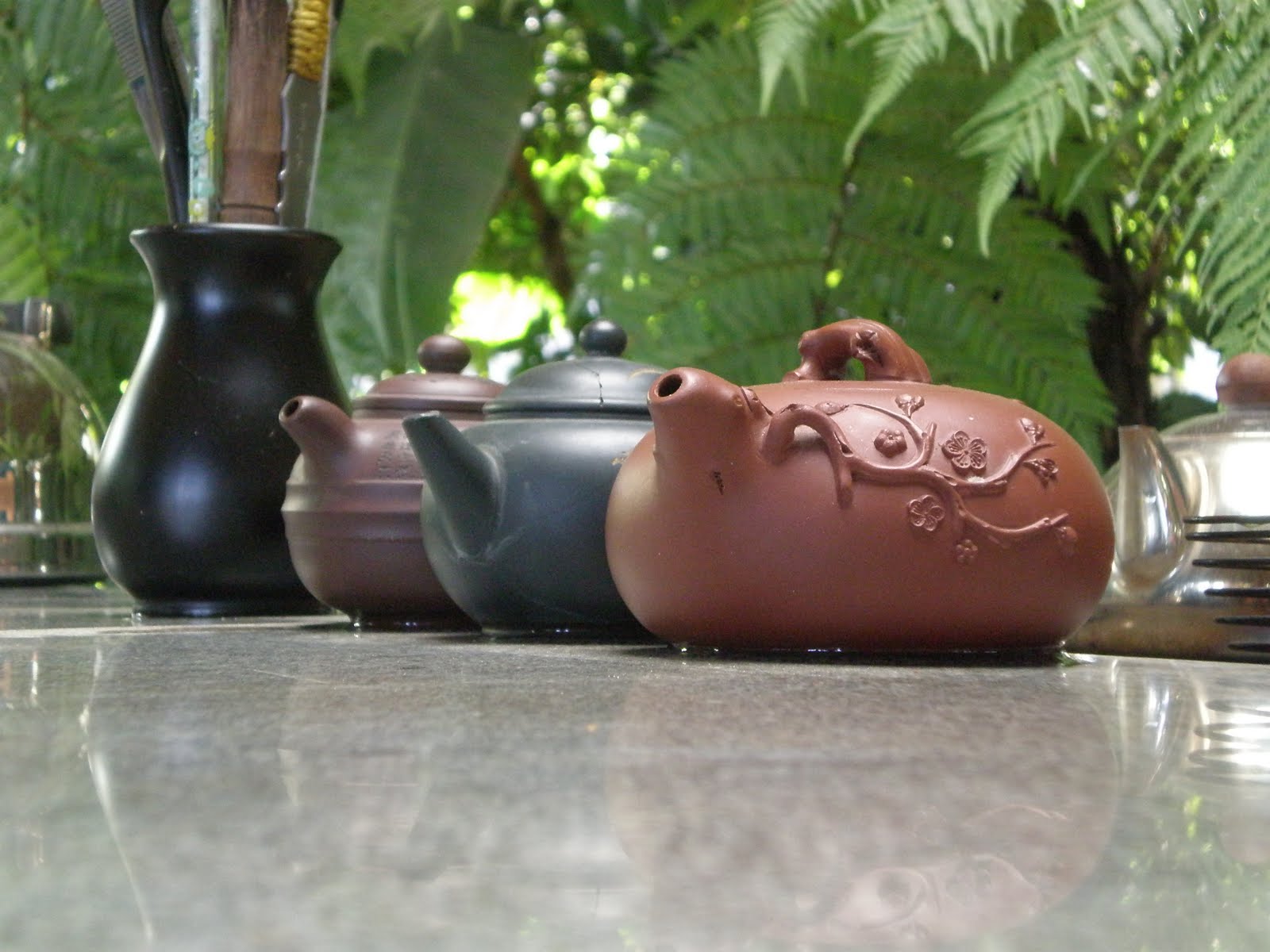
This past weekend, I was invited to a tea and dumpling event to learn about traditional chinese customs. I observed a traditional chinese tea set and tasted three different kinds of tea: green, pu'erh and black. A traditional Chinese tea set is much smaller than you might think and much more than just pouring tea from a pot. You first put the tea leaves into the pot, then pour hot water into the pot. The tea leaves expand and the first step is to pour the tea into the cups to get them warm, you don't actually drink the tea on the first pour. You dump out the tea water and pour again. This pour is the tea actually served to guests to drink.

Tasting tea is very similar to wine tasting. You look at the color, take time to smell the aroma and savor the taste on your tongue and down your throat. You keep separate tea pots for different teas and never wash the pot with soap, only rinse with water. A tea pot gets better with age the more you use it. Tea is commonly known to be good for digestion and should be enjoyed calmly and slowly.

The second event of the evening was learning how to make jiaozi, chinese dumplings. Jiaozi is one of my favorite dishes to eat here, so I was very anxious to learn how to make it. We mixed beef, fennel, oil, salt and pepper to make one mixture and tofu, carrots, oil, salt and pepper to make a vegetarian mixture. There are many different kinds of jiaozi, you can put inside whatever you like.

We bought the dough, pre-made, at the market, already cut into circles ready to be stuffed and folded. We put the mixture in the middle of the circle, then carefully folded and crimped the dough together, creating a dumpling. My first couple dumplings looked awful, but after a bit of practice, I was a pro! Between the 8 of us at the event, we must have made easily over a hundred dumplings. You can either fry, boil or steam jiaozi. My favorite is fried, but we boiled them this evening and had a wonderful feast.
Tea and treats!
The three bowls are filled with the three different kinds of tea we tried: green, black and pu'erh. The three animal-looking figures behind the bowls are for good luck. When pouring out the first pot of tea (to get the cups and pot warm) you pour the tea over these figurines and it is believed to bring the tea owner good luck and fortune.
A traditional Chinese tea set
After several attempts, a more beautiful looking chinese dumpling.
The dough ready to be stuffed with beef and vegetables
Me, practicing making jiaozi, before it becomes a dumpling
Our delicious feast after the dumplings were boiled.

Saturday, October 23, 2010

Photo Journal

Here is a little glimpse into my everyday life here in Kunming.


On my walk to class in the morning I always pass by a group of older chinese people sitting around, gossiping and people watching. I think they are very cute.


China's rule for elevators is you only need them if the building has more than 8 floors, so a lot of apartment buildings only have 7 floors so they don't need an elevator. My school is on the 6th floor, hence my walk up 6 flights everyday.


(Vegetarians close your eyes) Outside of my school there is always some sort of meat hanging waiting to be sold. As you see here, a whole goat is waiting to be cut up and sold. The big bowl underneath is filled with the blood that runs down when the goat is cut.


This family is selling roasted chestnuts, the man stands next to this barrel continuously stirring the chestnuts and coal.


Here is the postoffice I stop at to mail postcards home to America :)


JiaHua is the local bakery in Kunming. I often stop on my way to the office from school to pick up a loaf of bread. My favorite kind of bread here is BeanSprout Bread, I don't know why its called that because the bread is normal with a slight sweetness to it, delicious.


I often stop and buy fruit from villagers selling their fruit on the street. These people usually live outside of Kunming on a farm and come into the city to sell their products.


This is the menu from one of my favorite lunch spots. I am trying very hard to learn the basic chinese characters so I can read menu's like this one.


My favorite lunch in China, jiaozi! It is a chinese dumpling, usually filled with some kind of meat and vegetable. You can get them fried, steamed or boiled. Then you dip them in a soy sauce/parsley mixture. Yum. I go to this place so often, the woman who owns the shop knows what I want I don't have to order anymore.


My desk at the office


I try to dedicate a portion of my afternoon to learning Chinese characters. Here are a few of my practice sheets.

Monday, October 11, 2010

Luang Prabang, Laos

October 1st is a nationally recognized holiday in China called National Day where the majority of people have off work for an entire week. This week is usually spent traveling around China, seeing new sights or going home to spend time with family. According to China Daily, they expected 210 million people to be traveling around China during this week. 210 million people! My roommate and I looked at each other once we heard that and confirmed that we were getting out of China for National Day.

We looked at our options and decided to head to Laos since it borders Yunnan and we could take a bus straight there. So the night before National Day, September 30th, we hopped on a sleeper bus and headed to Laos. 26 hours later, we arrived dazed and confused in Luang Prabang, Laos’ second largest city.

Over the next four days we enjoyed a relaxful vacation filled with kayaking, swimming, hiking, eating and lounging. We kayaked to one of Luang Prabang's famous waterfalls where we swam in the cool, refreshing water and enjoyed the sun. Myself and two other friends went zip-lining through the forest above the waterfalls. I saw some great scenery and got my thrills from flying through the air high above the trees. Another day, we took a boat ride down the Mekong River to explore some caves with ancient Buddhist statues inside. The Mekong River is a widely known river within southeast Asia, as it flows through China, Thailand, Laos and Cambodia.


Luang Prabang is also well known for their Buddhist wats (temples). There are over 30 around the city, making them unavoidable. One morning we got up early to observe the monks collecting their morning alms and food. The monks spend their days meditating and taking care of the temple, they do not have time to buy and cook their own food, so the town’s people provide their only source of food in the morning. The majority of these monks are boys aging from 10-25 who stay in the monastery for only a short time.

Laos was reopened to tourism in 1989 and Luang Prabang was deemed a UNESCO World Heritage sight in 1995, thus leaving the city mostly bus/car free and preserving its French provincial architecture. Laos is known for its laid back attitude and we easily fell into the mood while we were there. We enjoyed French baguets and freshly made fruit shakes, a much enjoyed break from Chinese food.

Our bus ride back to Kunming was only about 20 hours. We returned safetly with many souvenirs and a new stamp in our passports.


Saturday, October 9, 2010

CISS Water Project

The last week of September was filled with the Concordia International School Shanghai traveling to Yunnan to complete three projects with CWEF. Myself and two co-workers took 20 of these high school students to a rural village near the border of Myanmar to install a clean drinking water system. A full day of travel along some bumpy and curvy roads landed us in the middle of some beautiful scenery.

We spent our days in the village out on the mountain side digging a two foot deep trench to lay pipes for the water system. The fresh water source was about 10 km away from the village, the pipes would lead all the way into the village and then to each person household to a faucet with a water meter. The students put in some hard days of digging and laid pipe for a few hundred meters. On the rainy days, we helped the villagers with some other chores, pulling corn kernels from the cob for pig feed and separating rice kernels from the shell.

Overall it was a very humbling experience. We visited a few families in their homes and interviewed them about their daily lives. One of the families was one of the poorest in the village and explained they only had enough money to afford one pig and one chicken and they ate meat about once a month. The whole village was very welcoming and gracious to host us.

We did not get to complete the water system on our trip, but I pr-y that the village will finish and sustain the system for years to come, that when the rainy season is over, they will still have plenty of water flowing into the village.

Concordia International School Shanghai students and teachers arrival in Lincang

Hiking up the mountainside to dig trenches

Diggin'

Some more diggin'

Students helping to wash the dishes after dinner

Separating corn for pig feed

Village children after we passed out toys, books and balloons

Happy faces

Children holding their new possessions tight


New books

Father and son inside one of our village interviews